
2025: A Year in Review
1/5/2026
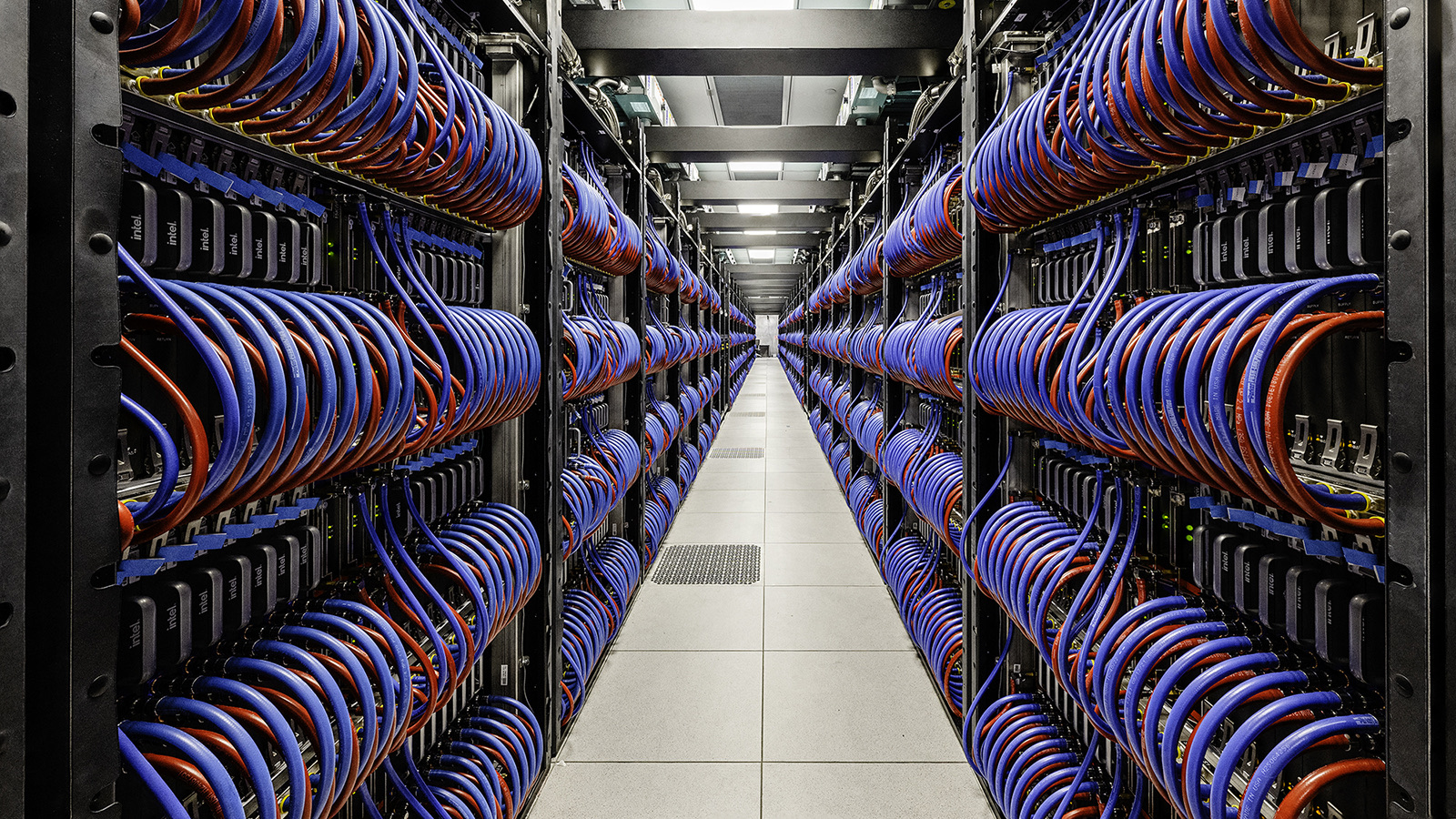
As 2026 begins, it is increasingly clear that 2025 marked a turning point for high-performance computing (HPC) and the broader technology ecosystem. What once felt like a race for technical milestones became, over the past year, a transition toward maturity, impact, and integration.
Exascale computing moved firmly out of the experimental phase in 2025. Systems such as Frontier and Aurora proved their value not by headline peak performance, but by sustained scientific output. Climate projections, fusion research, drug discovery, and advanced materials modeling increasingly relied on these machines as dependable, production-level infrastructure rather than showcase projects.
Artificial intelligence further reshaped the HPC landscape throughout the year. In 2025, the convergence of large-scale simulation and machine learning accelerated dramatically, with supercomputers underpinning foundation models for science, engineering, and national research priorities. AI workloads became a first-class citizen at HPC centers, driving changes in software stacks, scheduling policies, and system design.
Energy efficiency and sustainability emerged as defining constraints. Power usage, cooling, and carbon footprint were no longer secondary considerations; they became central design criteria. The widespread adoption of heterogeneous architectures—mixing CPUs, GPUs, and specialized accelerators—reflected a broader shift toward performance per watt as the metric that mattered most.
Beyond traditional supercomputing, 2025 also blurred the line between HPC and commercial technology. Cloud platforms adopted HPC-inspired optimizations for large AI workloads, while supercomputing centers embraced cloud-like accessibility to broaden their user base. This convergence reshaped how advanced computing resources were built, funded, and used.
Looking back from 2026, 2025 stands out not for a single breakthrough, but for a change in perspective. Supercomputing became less about reaching the next scale milestone and more about delivering real-world impact—cementing HPC as essential infrastructure for science, industry, and society in the years ahead.