Florida’s Supercomputing Moment: How SC25 Breakthroughs Are Powering the Next Generation of Research at State Universities
11/21/2025
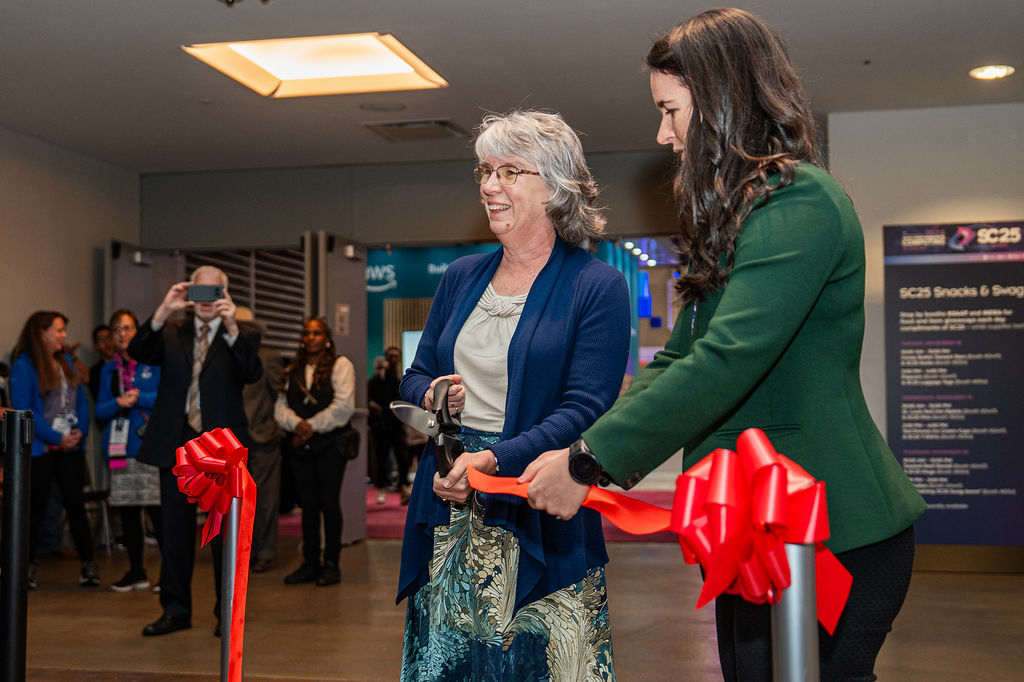
Supercomputing 2025 (SC25) showcased just how fast high-performance computing and AI are evolving—and why that evolution matters so much for Florida’s universities. From the opening ribbon-cutting to the last Birds-of-a-Feather session, the conference was packed with new systems, software, and ideas that will shape the next generation of research infrastructure and workforce training across the Sunshine State.
One of the biggest themes at SC25 was the convergence of AI and traditional simulation. Many talks and exhibits highlighted workflows where deep learning models are trained alongside physics-based codes to accelerate tasks like weather prediction, hurricane modeling, materials discovery, and drug design. For Florida researchers working on coastal resilience, climate impacts, and health science, this hybrid “AI + HPC” approach offers a path to more detailed models that run in less time—critical when forecasting storms or analyzing rapidly changing environmental conditions.
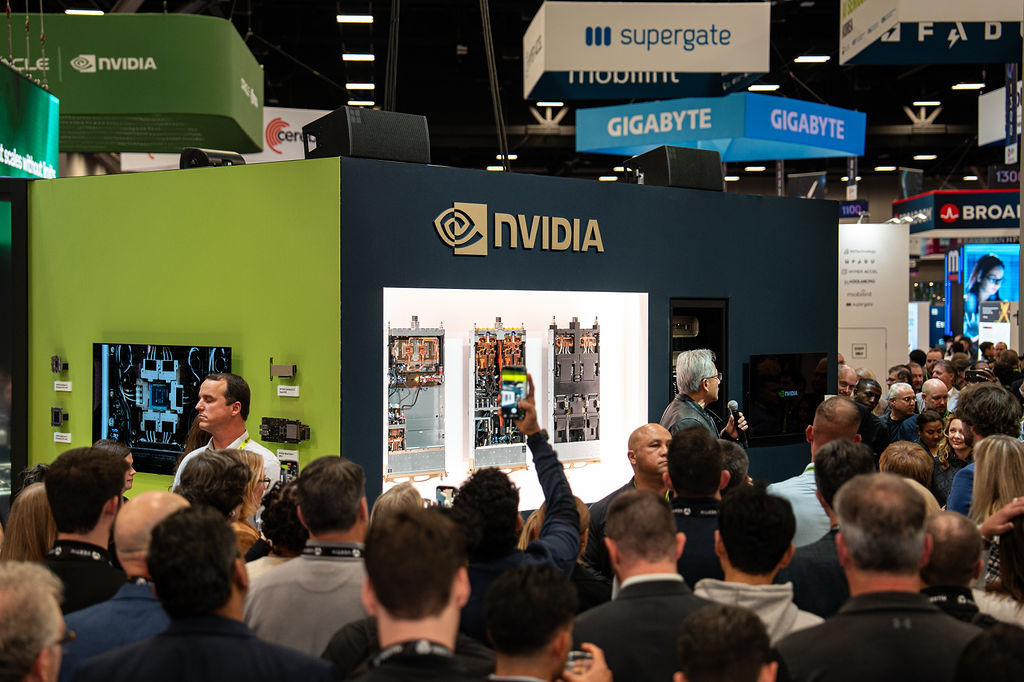
Hardware announcements underscored how tightly the future of scientific computing is tied to accelerators and high-bandwidth fabrics. Vendors unveiled new GPU-dense servers, ultra-fast interconnects, and energy-efficient designs aimed at scaling AI training and large-scale simulations simultaneously. For Florida systems like UF’s HiPerGator, FSU’s HPC cluster, UCF’s Stokes, and FAU’s KoKo, these technologies point toward next-generation upgrades: more GPUs per rack, faster links between nodes, and storage systems built to handle massive AI datasets that sit alongside traditional research workloads.
Networking and data movement also received major attention. Sessions and exhibits focused on 100–400 Gb/s fabrics, congestion-aware routing, and research “data lakes” that can feed both HPC and AI jobs. These trends map directly onto needs across Florida’s campuses, which are connected via high-speed networks such as Florida LambdaRail. As more data is generated by sensors, satellites, and instruments around the state—from ocean gliders to genomic sequencers—efficiently moving that data into and between supercomputers becomes just as important as raw compute speed.
SC25 also highlighted the rapid maturing of research software ecosystems. Containerization, workflow orchestration, and portable toolchains were recurring topics, with many examples of researchers running the same pipelines on local clusters, clouds, and national facilities. This portability is vital for Florida universities that maintain their own systems while also relying on shared statewide and national resources. Students and faculty increasingly expect to move projects seamlessly between environments, and the tools showcased at SC25 make that vision more realistic than ever.
Education and workforce development formed another core pillar of the conference. Tutorials and panels explored how to embed HPC and AI across the curriculum—not only in computer science, but also in biology, engineering, social sciences, and the humanities. For Florida’s institutions, which are rapidly expanding data science and AI programs, these ideas translate into new course modules, research experiences for undergraduates, and cross-disciplinary initiatives that can prepare students for careers in both academia and industry.
A particularly exciting thread for Florida was the focus on domain-driven AI: models and tools tailored to specific areas like hurricanes, sea-level rise, coastal engineering, agriculture, and public health. Many of these topics overlap strongly with the state’s research priorities. The methods demonstrated at SC25—AI-assisted forecasting, digital twins of infrastructure, and real-time anomaly detection—offer concrete starting points for new projects on Florida campuses that leverage local data and expertise.
Energy efficiency and sustainability, always important for large data centers, were more prominent than ever. Talks and exhibits covered liquid cooling, advanced power management, and monitoring tools that help operators reduce energy use while maintaining performance. For Florida universities operating in a warm climate and planning future facilities, these innovations are directly relevant. Smarter cooling and power strategies can make it easier to grow compute capacity without unsustainable jumps in operating costs.
Another standout aspect of SC25 was the collaborative spirit around open science. Many projects emphasized open datasets, open-source software, and community-driven benchmarks, making it easier for institutions of all sizes to participate. This is especially valuable in a statewide context like Florida’s, where large research universities and smaller or emerging programs can collaborate on shared tools, training materials, and workflows rather than reinventing them independently.
For SSERCA and its member institutions, the overarching message from SC25 is clear: the future of research computing is intertwined with AI, data-intensive science, and strong collaboration across campuses. The technologies and ideas showcased at the conference provide a roadmap for how Florida’s universities can continue to expand their capabilities—through cutting-edge hardware, modern software ecosystems, and robust training for students and researchers. As these innovations are adopted across the state, they will empower Florida’s academic community to tackle some of the most pressing scientific and societal challenges of our time.